The Best Holiday Gift Idea for Kids with a Speech Delay

Updated: Aug 25

In this article we will discuss:
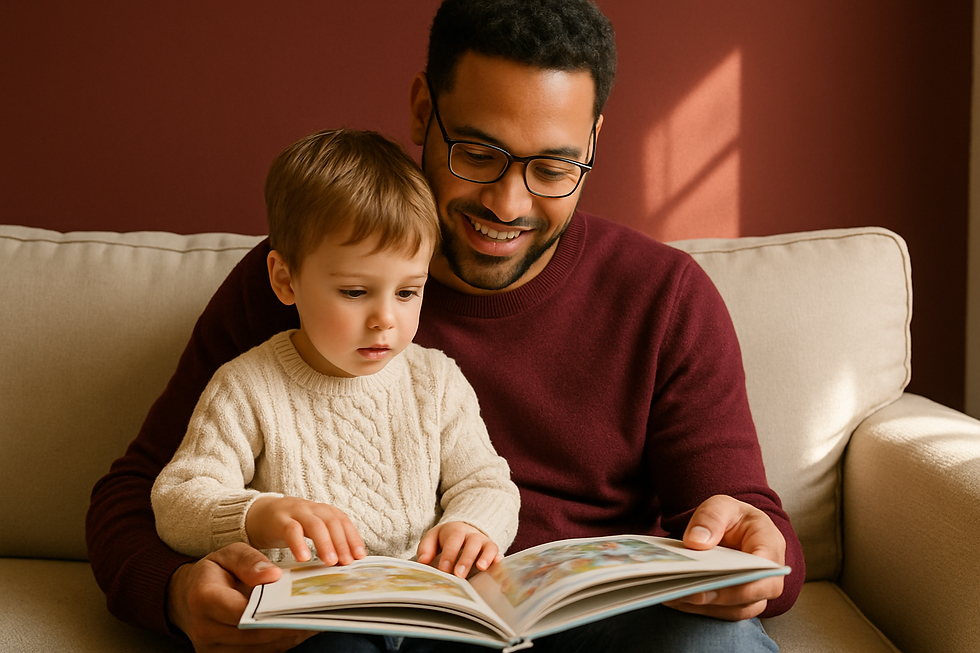

Looking for the best toy for your child with a speech delay? Our speech therapists have the answer!
We have many resources on this blog to help you practice with your child and help get them talking, improve their vocabulary and get that great start. But while your interaction is the best way to improve your child's speech - getting down on the floor and using the skills and strategies your speech therapist teaches you and your child - there is one toy that we love for children and parents who are working together to improve their speech.
Why this is the best toy for a child with speech delay:
This toy addresses very critical skills that come even BEFORE saying a single word.
If your child isn't talking, it's very difficult to just get them to start. There are skills toddlers need to master before words emerge. One of those skills is just vocalizing. That means just making easy sounds. It can be anything like "aaah, oooo, eee," "dadada," "mmm." Anything really.
But just getting your child to repeat after you for no reason can be difficult. That's why in speech therapy with my youngest toddlers, I like to use the Fisher Price Play Tape Recorder. Sadly, Fisher-Price is no longer making these, but there are alternatives like this one. You can use it to take turns making sounds into the microphone (who doesn't want to be on stage singing!) and even record your voice. So cool! That takes imitating to the next level.
Choose the best toy to give during the holidays
While we play, I also work on other language skills, such as the following vocabulary:
open/close
my turn/your turn
more
in/out
colors (of the buttons)
loud/quiet
stop/go
song
I also really love this tape recorder, because it DOES NOT sing the words to the songs on the tape (like Twinkle Twinkle Little Star). It's like a karaoke machine so you and your child still need to be the ones doing the singing. That's great since we don't want a toy that will speak for your child, just one that will help tempt them into doing it on their own.


Frequently Asked Questions
What kinds of gifts actually help a child with a speech delay?
The best gifts support communication in a playful, low-pressure way. Think interactive books, cause-and-effect toys, simple puzzles with picture labels, or games that encourage turn-taking and naming objects. The key is choosing items that invite back-and-forth interaction between a child and a caregiver, since conversation practice is one of the most powerful tools for language growth.
Is it better to give a toy or an experience as a gift for a language-delayed child?
Both can be valuable, but experiences like a speech therapy session or a language-focused play class often have a longer-lasting impact than a single toy. If you are considering therapy, Better Speech offers licensed speech-language pathologists online with no waitlists and accepts many insurance plans, making it a genuinely accessible gift option for families who have been putting it off.
At what age should parents start worrying about a speech delay?
Most children say their first words around 12 months and use two-word phrases by age 2. If a child is significantly behind those milestones, or if their speech is hard for familiar adults to understand by age 3, it is worth consulting a speech-language pathologist. Early intervention leads to better outcomes, so there is no benefit in waiting to get a professional opinion.
Can screen-based apps or tablets really help a child with a speech delay?
Some apps can support vocabulary building when used alongside an engaged adult, but passive screen time alone is unlikely to close a speech gap. The most effective strategy is interactive play where a real person responds to the child, expands on what they say, and models new language naturally. Use tech as a supplement, not a substitute, for human connection.
How can I support a child's speech development at home between therapy sessions?
Simple daily habits make a big difference. Narrate routines out loud, read together every day, pause and give the child extra time to respond, and repeat back what they say using slightly longer sentences. These strategies are often taught by speech-language pathologists as home practice tools, so asking your child's therapist for a personalized list of activities is a great starting point.
About the Author

Aycen Zambuto
I’m a seasoned educator in speech therapy with over six years of experience helping people navigate challenges in communication. Throughout this time, I’ve found joy in guiding individuals through a variety of therapeutic journeys, from toddlers with apraxia to seniors with dysphonia.
I’m passionate about demystifying this complex world of speech therapy and helping readers around the globe achieve clear and effective communication. When I’m not writing about speech, you’ll often find me reading, traveling or spending time with friends and family.


