Speech Therapy Activities for National Bubble Week

Updated: Aug 25
In this article we will discuss:
Stop the presses. It was National Bubble Week on the second week in March and a notification didn't pop up on my calendar. Not right.
Speech Therapy Activities with Bubbles
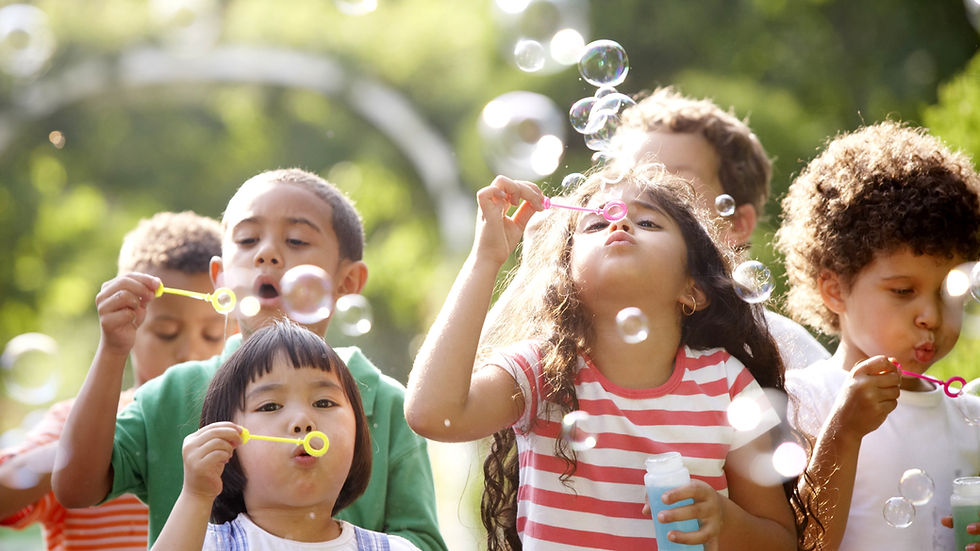
One of the first things every speech-language pathologist puts in her bag is a bottle of bubbles. Because who isn't motivated to get to work when there are bubbles involved?
So when the SLPs at Better Speech heard that it was National Bubble Week, they just reached over to their desk to grab the half-empty bottle that they'd just used during their online speech therapy session. "Kiddos love this stuff!" said SLP, Beth when asked if her little clients are motivated when she brings out the bubble jar.
So we thought it might be a good idea to suggest some activities you can use at home with your little ones to get them engaged in play, asking questions, or using some new vocabulary.
Use activities to improve speech and language skills


Here are some of our favorites:
Cat Versus Bubbles in Slow Motion
Who doesn't love a good cat video. So add some bubbles and put it in slow motion and you have a winner. We love this video because it's in slow motion and gives parent and child time to watch it and make comments. Don't like this one or want more? Search for Cats and Bubbles on YouTube. You wont have a hard time finding some you and your child want to watch.
Some vocabulary to target to improve your toddler's speech and language skills:
Verbs: jump, blow, watch, wait, pop, eat
Nouns: kittie, bubble, snack
Make Your Own Bubbles
The speech-language pathologists at Better Speech also love to encourage families to make things on their own at home. We are always sending our families recipes. And making things together is a great way to engage your child in an exciting and new activity where they feel like adults.
So here is a link to two homemade bubble recipes you can make with your child.
For the little kids, you can target the following language activities:
- Vocabulary: mix, more, water, soap, blow, bubble, big, little, up, down, pop
- Simple directions: First pour, then mix; First blow, then pop!
For kids that are working on some more advanced communication skills, you can target the following language activities:
- Complex directions: First pour the water, then add the soap and mix it together
- Longer sentences: mix more soap, add the water, take a breath then blow the bubble, lets pop it together
You can always make your sentences or directions more or less complex. And you can always reach out to the speech-language pathologists at Better Speech for a free consultation on how how to target your child's speech or language skills at home.
At Better Speech, we offer online speech therapy services convenient for you and tailored to your child's individual needs. Our services are affordable and effective - get Better Speech now.


Frequently Asked Questions
What is National Bubble Week and when does it take place?
National Bubble Week is a fun, unofficial celebration dedicated to the simple joy of bubbles, typically observed in the last week of March. It may not be on most calendars, but speech therapists have quietly loved it for years because bubbles are one of the most effective and engaging tools for working on communication skills with children.
How can bubbles actually help a child with speech and language development?
Bubbles naturally encourage children to make eye contact, take turns, request more, and practice sounds like the 'b' in 'bubbles' or 'pop.' Blowing bubbles also strengthens the oral muscles used in speech production. These playful moments create low-pressure opportunities for real communication practice that children genuinely enjoy.
What are some specific bubble activities I can do at home to support my child's speech goals?
Try narrating everything you do with bubbles using simple phrases like 'big bubble,' 'pop it,' or 'more bubbles' to build vocabulary. You can also encourage your child to ask for a turn before you blow, which naturally targets requesting skills. Chasing bubbles outdoors adds movement and excitement, making language even more memorable and fun.
My child struggles to blow bubbles. Does that mean they have a speech delay?
Not necessarily. Bubble blowing requires coordinated breath control and oral motor skills that develop at different rates for every child. However, if your child also has difficulty with sounds, words, or being understood, it may be worth a professional evaluation. Better Speech offers licensed speech therapists with no waitlists and accepts most insurance, so getting answers is easier than you might think.
Can bubble activities work for adults in speech therapy too, or are they just for kids?
Bubbles are more useful for adults than most people expect. They can be adapted to work on breath support for voice disorders, oral motor rehabilitation after a stroke, or even reducing anxiety around speaking exercises. A speech therapist can tailor any activity, including bubble-based ones, to fit adult goals in a way that feels purposeful rather than childish.
About the Author

Aycen Zambuto
I’m a seasoned educator in speech therapy with over six years of experience helping people navigate challenges in communication. Throughout this time, I’ve found joy in guiding individuals through a variety of therapeutic journeys, from toddlers with apraxia to seniors with dysphonia.
I’m passionate about demystifying this complex world of speech therapy and helping readers around the globe achieve clear and effective communication. When I’m not writing about speech, you’ll often find me reading, traveling or spending time with friends and family.