Why Storytelling Is Great for Kids with Autism?

Updated: Aug 25

In this article we will discuss:
April is Autism Awareness month and April 27th is National Tell a Story Day, so we are going to tell you why both are great for children with autism spectrum disorder (ASD).
Telling stories is important for children and adults because it provides a meaningful way for families to share common experiences and provides learning opportunities in one's everyday life. Storytelling helps us all bond, but for kids with autism it provides unique learning opportunities. It helps them learn listening skills, can increase attention span, and can develop understanding of non-verbal communication.
Use Gestures and Facial Expressions to Teach Emotions
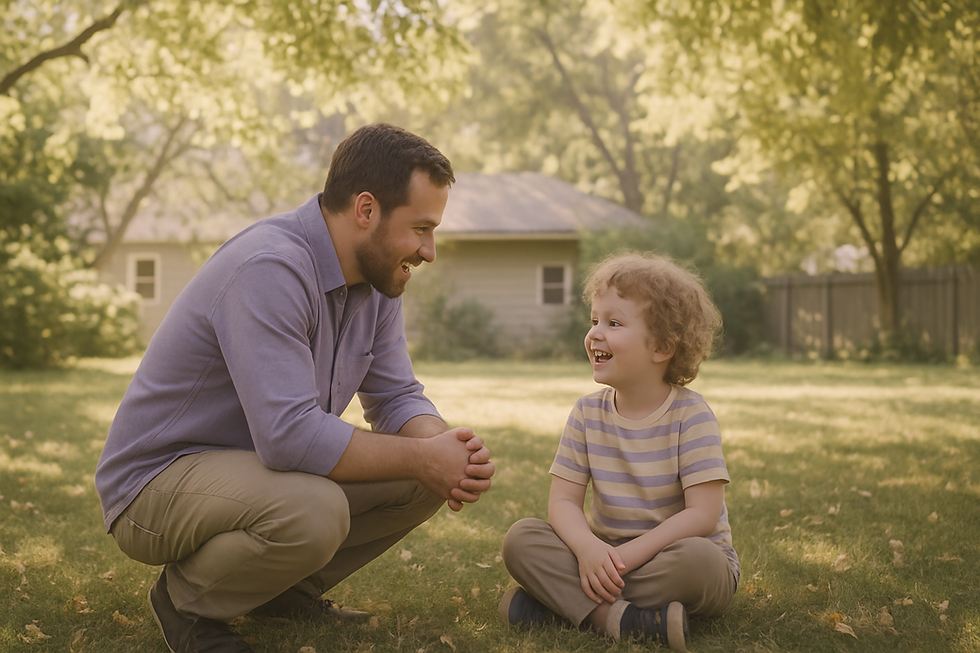
At Better Speech, the speech language pathologists recommend parents who have kids with autism use grander and more explicit facial expressions and gestures than they might use otherwise. Since kids with autism sometimes have trouble with non-verbal communication cues (such as showing emotions with a frown or smile) we suggest parents also use repetition to teach these cues. When parents repeat stories over and over again, children can start to focus on the facial expressions and body language. Repetition also lets a child see and hear how the emotions in a story and body language are related.
Storytelling can be a good idea for speech growth.
Our Better Speech SLPs recommend: The Pigeon Has Feelings, Too! By Mo Willems.Why? Because this simple book with very little text and great facial expressions on the characters lets kids focus on feelings. You can also let your child watch a read along here on YouTube.

Social Stories for Kids with Autism
Stories can also teach a child with autism life lessons or skills that they might otherwise have trouble learning. There are even special stories that are written for kids with autism which are called Social Stories. These social stories are short descriptions of a particular activity or situation that include specific information about what the child can expect in a given situation and why.
Social stories can help a child:
develop self-care skills such as how to wash their hands
understand how someone might behave a particular situation
deal with changes to routine such as starting a new school
Oftentimes, speech language pathologists can write a social story for a child when a parent describes a particular situation that is difficult for the child to deal with. You can find social story samples on the Carol Gray website (she created social stories). There are sample social stories on keeping safe, what autism means, stereotypes and more.
If you have questions about how to write a social story for your child or want an example on how to use bigger, better and bolder gestures and facial expressions to teach emotions to your child, you can always contact the speech language pathologists at Better Speech for a free consultation.
Don't just tell a story on National Tell a Story day but use it an opportunity to tell a story in a new way.


Frequently Asked Questions
How does storytelling actually help kids with autism develop communication skills?
Storytelling gives children with autism a structured way to practice sequencing, vocabulary, and expressing emotions in a low-pressure setting. When kids narrate or retell stories, they learn how conversations flow and how to connect ideas. Over time, these skills transfer naturally into everyday talking and social interaction.
What types of storytelling work best for children on the autism spectrum?
Visual storytelling, like picture books, comic strips, or social stories, tends to work especially well because it pairs language with concrete images. Interactive storytelling, where a child helps build or finish a story, also encourages participation without overwhelming them. A speech-language pathologist can recommend the best approach based on your child's specific needs and interests.
Can storytelling help my autistic child understand social situations better?
Yes, absolutely. Stories act as safe rehearsal spaces where children can explore different characters, emotions, and social scenarios without real-world pressure. Reading or creating stories about everyday situations, like making a friend or handling a disagreement, helps kids recognize social cues and build empathy in a meaningful, memorable way.
How do I get started with storytelling at home if my child resists it?
Start with your child's favorite topic, whether that is dinosaurs, trains, or a beloved TV show, and build simple stories around it. Keep sessions short and playful, letting your child lead or make choices in the story. Reducing pressure and following their interests makes storytelling feel like fun rather than a task.
Should my child work with a speech therapist alongside storytelling activities at home?
Home storytelling is wonderful, but a licensed speech-language pathologist can tailor activities to your child's specific communication goals and track real progress. Better Speech offers licensed, insurance-ready speech therapy with no waitlists, so your child can start getting professional support quickly. Combining guided therapy with fun storytelling at home creates the most consistent results.
About the Author

Aycen Zambuto
I’m a seasoned educator in speech therapy with over six years of experience helping people navigate challenges in communication. Throughout this time, I’ve found joy in guiding individuals through a variety of therapeutic journeys, from toddlers with apraxia to seniors with dysphonia.
I’m passionate about demystifying this complex world of speech therapy and helping readers around the globe achieve clear and effective communication. When I’m not writing about speech, you’ll often find me reading, traveling or spending time with friends and family.


