The Power of Early Communication: A Deep Dive into Speech Therapy for Kids

Updated: Aug 25

In this article we will discuss:
Communication is the bedrock of a child’s development. It is how they express their needs, build their first friendships, and eventually, how they learn to read and write. When a child struggles to speak or understand language, it doesn't just affect their ability to talk—it affects their confidence and their connection to the world.
Speech therapy for kids is a specialized field dedicated to helping children overcome these hurdles. In this guide, we will explore the nuances of pediatric speech therapy, how to identify if your child needs support, and why the modern approach to therapy is changing lives for the better.
Understanding the Scope of Pediatric Speech Therapy
Many people assume speech therapy is only about correcting a "lisp" or helping a child say their "r" sounds. While articulation is a large part of it, the scope is much broader. Speech-Language Pathologists (SLPs) work on two main areas:
Speech Disorders: These involve the physical production of sounds. This includes articulation therapy (making sounds), fluency (stuttering), and voice (pitch or volume issues).
Language Disorders: These involve the cognitive processing of communication. This includes receptive language (understanding what others say) and expressive language (having the vocabulary and grammar to share thoughts).
Beyond these, SLPs also assist with pragmatic language (social skills), cognitive communication, and even feeding or swallowing difficulties. You can learn more about the specific speech and language disorders we treat to see if they match your child's experience.
When Should You Seek Help? Common Red Flags
Every child develops at their own pace, but there are established developmental milestones that serve as a roadmap. If you notice your child isn't hitting these markers, it might be time to consult a professional.
For Toddlers (18 months – 3 years)
18 Months: Not using at least 6–10 words or not pointing to things they want.
2 Years: Not putting two words together (e.g., "More juice" or "Mommy go").
3 Years: Speech is so unclear that family members cannot understand most of what the child says.
For Preschool and School-Aged Children
Difficulty following directions: They seem to ignore you, but it may be that they don't grasp the language.
Social withdrawal: Avoiding peers because they struggle to join in conversations.
Frustration: Frequent tantrums that stem from an inability to express a specific need.
Sound substitutions: Persistently saying "wabbit" instead of "rabbit" past the age where those sounds should be mastered. You can check our milestone guide for a more detailed breakdown by age.

Why "Wait and See" Is Often the Wrong Approach
A common piece of advice given to parents is, "Don't worry, they'll grow out of it." While some "late talkers" do catch up, waiting can be a risky gamble.
Speech therapy for kids is most effective during the "critical period" of brain development—typically before age five. The brain is incredibly plastic during these years, meaning it can form new neural pathways more easily. Early intervention doesn't just fix a speech sound; it prevents future academic struggles in reading and writing, as literacy is deeply rooted in oral language skills. At Better Speech, we emphasize the importance of early intervention to give children the best start possible.
The Evolution of the Therapy Room: The Rise of Online Support
Traditionally, therapy meant a weekly trip to a sterile clinic. For a child, this can feel intimidating. For a parent, it can be a logistical nightmare.
Better Speech has pioneered a more effective model. By bringing speech therapy for kids into the home via secure video platforms, we’ve seen a shift in how children respond.
The Benefits of the "Home Advantage"
Reduced Anxiety: Children are most comfortable in their own living rooms or play areas. When a child is relaxed, they are more willing to take risks with their speech.
Real-Life Generalization: In a clinic, a child might learn to say a word perfectly. But will they use it at the dinner table? By doing therapy at home, the therapist can use the child's actual toys and environment, making the transition from "therapy talk" to "real talk" seamless.
Parental Empowerment: Online therapy allows parents to sit in and watch exactly what the therapist does. You become the "co-therapist," learning the cues and techniques to use throughout the week. Read more about how online speech therapy for children works.
What Happens During a Pediatric Speech Session?
If you're envisioning a child sitting at a desk with flashcards for an hour, think again. Effective speech therapy for kids is almost entirely play-based.
For Toddlers: The therapist might use a virtual "brown bear" game to work on animal sounds and colors.
For School-Aged Kids: We use interactive digital whiteboards, "escape room" style language games, and high-interest topics like Minecraft or animals to keep them engaged.
The Goal: To make the child forget they are "working." When a child is having fun, their brain is primed for learning. Our blog features many creative ideas on how we keep sessions interactive and fun.

Support for Specific Conditions
Speech therapy is a vital component of the support plan for many neurodivergent children and those with specific medical diagnoses:
Autism Spectrum Disorder (ASD): Focuses heavily on social communication, understanding non-verbal cues, and using functional language to reduce frustration. We offer specialized speech therapy for autism.
ADHD: Helping children organize their thoughts and stay on topic during a conversation.
Childhood Apraxia of Speech (CAS): A motor speech disorder where the brain struggles to plan the movements of the lips and tongue. This requires specialized, frequent repetition which is easily managed through short, frequent online sessions.
Stuttering: Teaching "fluency shaping" and "stuttering modification" to help the child speak more easily and, more importantly, feel confident regardless of their disfluency. Check out our resources for stuttering.
The Parent's Role: How You Can Help at Home
Therapy is usually only 30 to 60 minutes a week. The real magic happens in the other 10,000 minutes. Here are three ways to support your child's progress:
Narrate Your Day: Talk about what you are doing as you do it. "I am stirring the soup. It's hot! Now I'm putting it in the blue bowl." This provides a rich language model.
Wait for the Gap: We often anticipate our children's needs so well they never have to talk. Pause for 5-10 seconds before giving them what they want to give them the "space" to attempt a word or gesture.
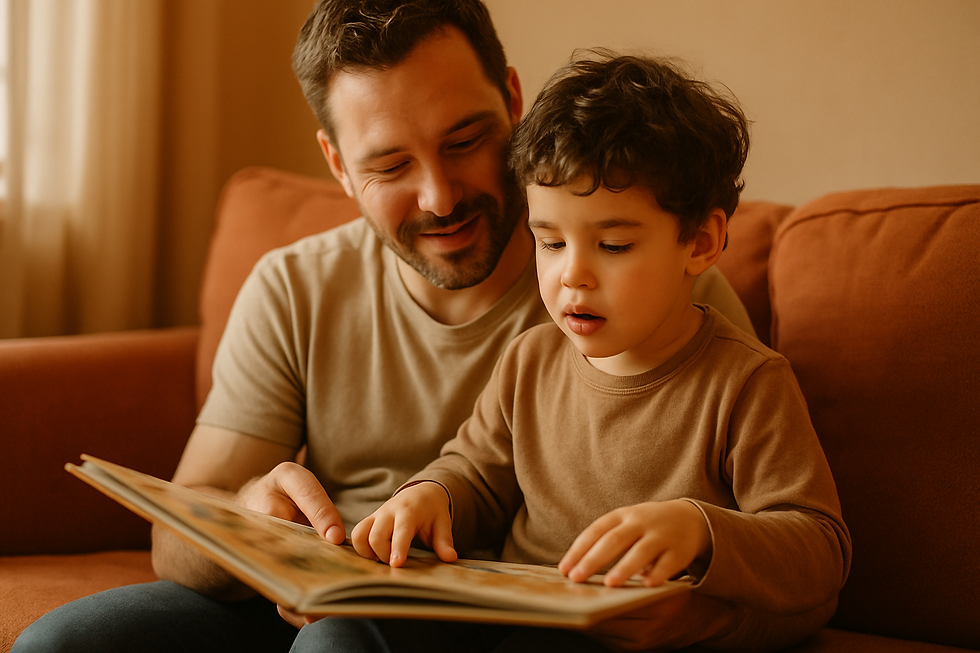
Read Together: Reading isn't just about the story; it's about the interaction. Point to pictures and ask, "What is the dog doing?" or "Why does the boy look sad?"
For more tips, you can explore our parent resources page.
Choosing the Right Partner for Your Child’s Journey
Finding the right therapist is a bit like finding the right teacher. It needs to be someone your child connects with and someone you trust. At Better Speech, we match your child with an SLP who is not only licensed in your state but who also has specific experience with your child's unique challenges.
Our therapists are experts at building rapport through a screen, using a mix of empathy, energy, and evidence-based techniques to ensure your child hits their milestones. You can meet our team of therapists to see the diverse expertise we offer.


Frequently Asked Questions
At what age should I be concerned about my child's speech and language development?
Most children say their first words around 12 months and combine two words by age 2. If your child is not meeting these milestones, or if strangers struggle to understand them by age 3, it is worth consulting a speech-language pathologist. Early action leads to significantly better outcomes, so trust your instincts as a parent.
What does a speech therapist actually do with young children during sessions?
Speech therapists use play-based activities, songs, storytelling, and games to target specific communication goals in a natural, fun way. Sessions are tailored to each child's needs, whether that involves articulation, language building, or social communication skills. Parents are often coached during sessions so they can reinforce progress at home every day.
How long does speech therapy typically take before a child shows noticeable improvement?
Progress varies depending on the child's age, the nature of their challenge, and how consistently therapy is practiced. Many families notice meaningful changes within 8 to 12 weeks of regular sessions. Practicing the techniques at home between appointments can significantly speed up a child's progress and build lasting communication habits.
Can speech therapy really make a long-term difference, or will kids just grow out of speech delays on their own?
While some mild delays do resolve naturally, waiting without support can widen the gap between a child and their peers, affecting reading, social skills, and confidence. Research consistently shows that early speech therapy produces stronger, faster, and more lasting results than a wait-and-see approach. Getting a professional evaluation early removes the guesswork entirely.
How do I get started with speech therapy for my child without a long wait or complicated process?
Better Speech offers licensed speech-language pathologists who provide online therapy for children with no waitlists, making it easy to get started quickly. Sessions are conducted from home, which is often more comfortable and effective for young kids. Better Speech also works with many insurance plans, so quality care is more accessible than many parents expect.
Conclusion
Speech therapy for kids is an investment in your child’s future. It is about giving them the tools to tell a joke, to stand up for themselves on the playground, and to share their brilliant ideas with the world.
If you have concerns about your child's communication, don't wait for the "perfect time." The best time to start is now. By embracing the convenience and effectiveness of online therapy, you are setting your child up for a lifetime of successful communication.
Take the first step today. Visit Better Speech to schedule a consultation and meet the therapist who will help your child find their voice.
About the Author

Aycen Zambuto
I’m a seasoned educator in speech therapy with over six years of experience helping people navigate challenges in communication. Throughout this time, I’ve found joy in guiding individuals through a variety of therapeutic journeys, from toddlers with apraxia to seniors with dysphonia.
I’m passionate about demystifying this complex world of speech therapy and helping readers around the globe achieve clear and effective communication. When I’m not writing about speech, you’ll often find me reading, traveling or spending time with friends and family.