Bilingual Child Speech Development: What's Normal and When to Worry

Understanding bilingual child speech development helps you separate normal multilingual growth from genuine concerns. You may feel anxious when your child mixes languages, speaks late, or stays quiet in one tongue while thriving in another. This guide offers expert-led, science-backed clarity, plus flexible, affordable, and effective support from licensed professionals who understand bilingual families.
In this article we will discuss:
What Is Bilingual Child Speech Development?
Bilingual child speech development is the process by which a child learns to understand and speak two or more languages from an early age. This growth follows its own timeline, which looks different from that of a child raised with a single language. Children may acquire both languages at once from birth, or pick up a second language after establishing the first. Both paths are completely normal and lead to strong communication skills.
Many parents worry that two languages will confuse a child or cause delay, but that is a myth. A bilingual child counts words across both languages together, so counting only one may make vocabulary seem smaller than it is. Understanding the real patterns of bilingual child speech development helps you celebrate progress and spot true red flags early. Our licensed professionals evaluate the whole child, not just one language.
Simultaneous Learning: A child acquires two languages at once from birth onward.
Sequential Learning: A second language is added after the first is established.
Silent Period: A quiet phase while absorbing a new language is normal.
Code-Switching: Mixing both languages in one sentence is healthy, not confusion.
Combined Vocabulary: Words from both languages add up to full language ability.
Why Bilingual Speech Development Matters and Who Is Affected
Bilingualism is a gift that shapes your child's cognitive, social, and cultural life for years to come. Children who grow up with two languages often show stronger problem-solving, empathy, and listening skills. Yet parents frequently feel pressure from relatives, teachers, or doctors who misread normal bilingual patterns as delays. Knowing the facts protects your child from unnecessary worry and from missing real support when it is needed.
This topic affects millions of families raising children in homes where more than one language is spoken daily. It also matters to immigrant families, international couples, and parents preserving a heritage language. When concerns arise, families need insurance-ready evaluations with no waitlists so help is immediate. The team at Better Speech supports bilingual children with warmth, cultural respect, and proven methods built for real homes.
Immigrant Families: Parents balancing a heritage language with a new community language.
International Couples: Partners who each share a different native language at home.
Heritage Preservers: Families keeping a grandparent's language alive across generations.
Expat Children: Kids moving between countries and school systems during early years.
Early Educators: Teachers guiding multilingual classrooms who flag genuine delays.
Pediatric Clinicians: Doctors who need accurate bilingual milestones for screenings.

Signs, Types, and Categories to Watch
Most differences in bilingual speech are normal variations, but some signs suggest a true speech or language disorder that crosses both languages. The key rule is simple: a real disorder shows up in both languages, not just one. If your child struggles only in the newer language, that usually reflects natural learning. Watch for these patterns and note which appear in both tongues before you worry.
Few Words Overall: Very limited vocabulary counted across both languages by age two.
No Word Combos: Not joining two words together well past age two.
Sound Errors Everywhere: The same speech sound errors appear in both languages.
Trouble Being Understood: Family cannot follow the child in either language.
Frustration and Withdrawal: Avoiding talking or acting out from communication struggles.
Stuttering Patterns: Repeated sounds or blocks that persist across both languages.
Remember that a silent period, language mixing, and uneven vocabulary between two languages are all expected parts of the journey. These behaviors alone are not reasons for alarm, especially during the first months of learning a new language. If signs appear in both languages or persist beyond typical milestones, an evaluation gives you clear answers. Our licensed professionals assess every child fairly across all languages they speak.
How Online Speech Therapy Addresses Bilingual Child Speech Development
Online speech therapy meets bilingual families where they are, in the comfort of their own home. A licensed professional first identifies whether a difference reflects normal bilingual learning or a genuine disorder that appears in both languages. From there, therapy builds on the child's existing strengths in each language rather than forcing one to disappear. This expert-led, science-backed approach respects your family's culture while targeting real communication goals with proven tools.
Because sessions happen virtually, there are no waitlists and scheduling stays flexible, affordable, and effective for busy parents. Therapists partner closely with you, since caregivers are powerful models for language at home. Together you reinforce new skills across both languages during everyday routines like meals, play, and bedtime. This blend of expert guidance and daily family practice drives lasting progress that families actually notice.
Step One: Accurate Bilingual Assessment
Gather Both Languages: Evaluate skills in every language your child uses.
Rule Out Normal Patterns: Separate expected bilingual learning from true disorders.
Involve Caregivers: Collect real examples of speech from home routines.
Set Clear Goals: Define measurable targets that honor both languages.
Step Two: Personalized Bilingual Therapy Plan
Build on Strengths: Use the stronger language to support the weaker one.
Target Shared Sounds: Focus on errors appearing across both languages first.
Integrate Culture: Choose books, songs, and games from the family's heritage.
Coach Caregivers: Teach parents to model language during daily routines.
What a Typical Session Looks Like
A typical online session is playful, structured, and welcoming to your whole family. Your child joins from a familiar space using a laptop or tablet, with you nearby to help. The therapist opens with warmth to ease any nerves, then moves into targeted activities built around your child's goals. Everything feels like guided play, which keeps children engaged and motivated throughout the session.
Warm Welcome: The therapist greets your child and builds comfort with a fun opener.
Goal Review: You and the therapist confirm today's focus across both languages.
Guided Play: Interactive games target specific sounds, words, or sentence skills.
Caregiver Coaching: The therapist shows you techniques to continue at home.
Home Practice Plan: You receive simple activities to reinforce new skills daily.
Sessions typically run around thirty minutes, which fits a young child's attention span perfectly. Afterward, you walk away with clear next steps and confidence to practice between visits. Progress is tracked carefully so you always know how your child is growing in each language. Many families tell us this structure makes therapy feel doable, encouraging, and genuinely effective for their busy lives.

Benefits of Bilingual Child Speech Development Support
Targeted support brings benefits that reach far beyond words alone, touching confidence, learning, and family bonds. When therapy respects both languages, children feel proud of their full identity. Below are the key advantages families notice when they partner with licensed professionals who understand bilingual growth. Each benefit builds on the next to create lasting, meaningful change.
Preserved Heritage: Your child keeps the family language while mastering a second.
Stronger Confidence: Clear communication reduces frustration and builds social courage.
Better School Readiness: Solid language skills support reading and classroom success.
Accurate Diagnosis: Fair assessment prevents mislabeling normal bilingual patterns.
Empowered Parents: You learn tools to support both languages every day.
Faster Progress: No waitlists mean help starts when your child needs it.
These benefits compound over time, turning early support into lifelong communication strength. A child who feels understood in both languages approaches the world with curiosity and ease. Families who seek help early often avoid bigger challenges down the road. With expert-led, science-backed care, your bilingual child gains the tools to thrive across every setting and relationship.
Tips for Home Practice and Caregiver Involvement
You are your child's most important language teacher, and small daily habits create big results. Home practice does not require special materials or hours of time. Instead, it weaves language into the moments you already share together. Try these simple, caregiver-friendly strategies to strengthen both languages naturally throughout your day.
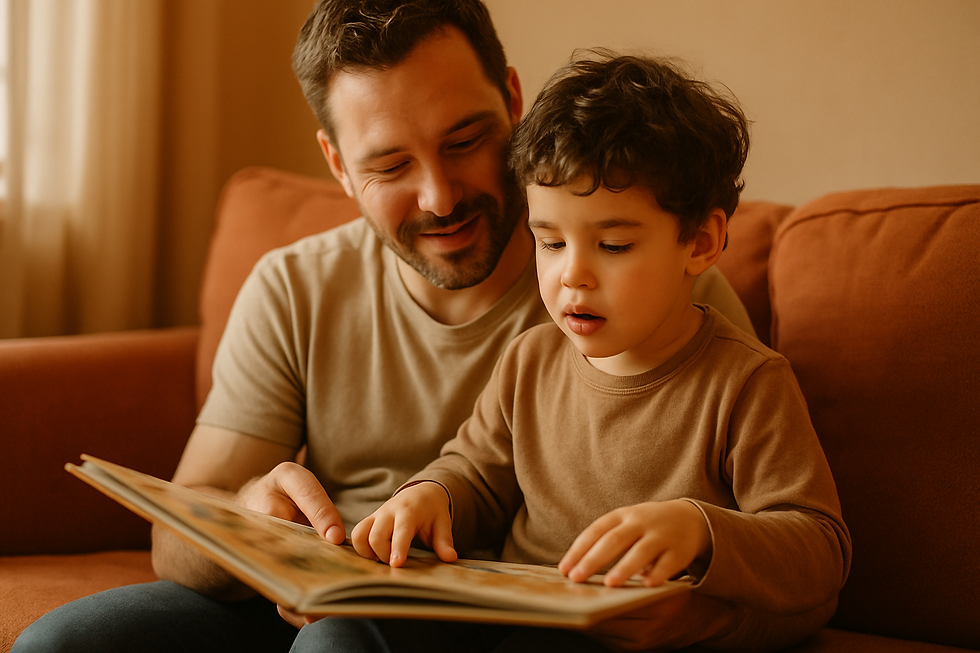
Read Daily: Share books in both languages to grow vocabulary and connection.
Narrate Routines: Describe actions during meals, baths, and play out loud.
One Parent One Language: Each caregiver can consistently speak their native tongue.
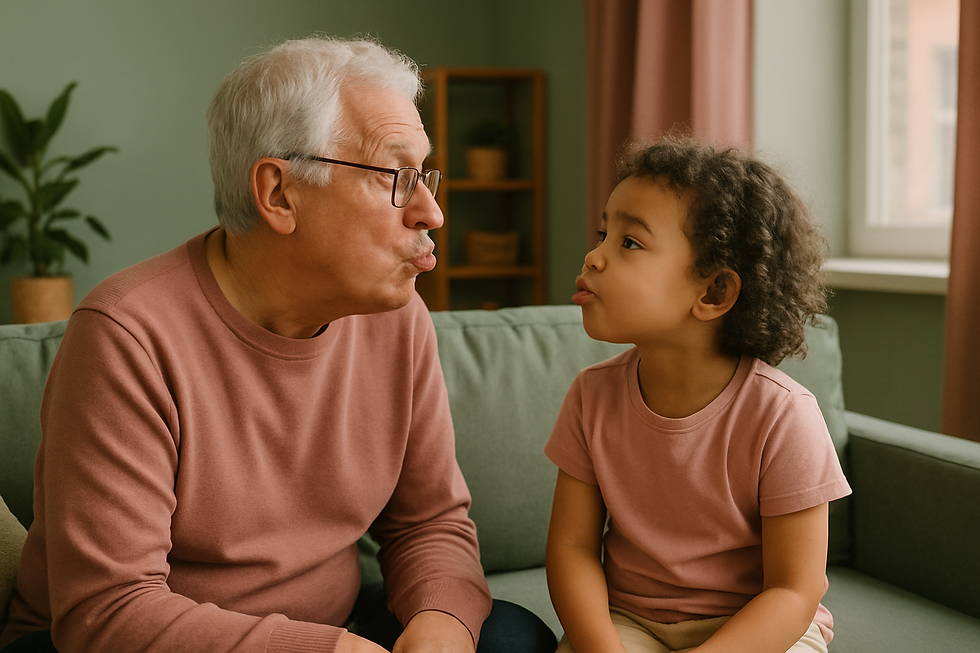
Sing and Rhyme: Songs make new sounds memorable and fun for kids.
Follow Their Lead: Talk about whatever interests your child in that moment.
Keep It Consistent: Short daily speech practice beats long occasional sessions.
Consistency matters far more than perfection, so relax and enjoy these moments together. Avoid pressuring your child to perform or correcting every mistake, which can cause stress. Instead, celebrate effort and model correct language gently in your reply. Watch for summer speech regression during long breaks, and keep practice playful so your child stays eager to communicate in both languages.
How to Choose the Right Speech Therapy Partner
Choosing the right partner shapes your child's entire therapy experience and outcomes. Look for a provider who truly understands bilingual development and respects your family's culture. The best partners combine expertise with warmth, flexibility, and transparent pricing. Keep these essentials in mind as you compare your options and make this important decision.
Bilingual Expertise: Choose therapists experienced with multilingual children and assessments.
Licensed and Credentialed: Verify every provider is a licensed professional.
Flexible Scheduling: Confirm sessions fit your routine with no waitlists.
Insurance Ready: Check that services are insurance-ready and affordable.
Proven Results: Read patient reviews from real families like yours.
Easy Onboarding: Look for simple direct booking to start quickly.
Better Speech checks every box with expert-led, science-backed care built for bilingual families. Our licensed professionals deliver flexible, affordable, and effective therapy with no waitlists and insurance-ready options. Whether you need speech therapy for children or guidance for your own goals, we match you with the right fit fast. You can get started in minutes and feel confident from your very first conversation.


Frequently Asked Questions
Will learning two languages at once delay my child's speech?
No, bilingualism itself does not cause speech delays. Bilingual children may mix languages or have a smaller vocabulary in each language initially, but their total vocabulary across both languages is typically on par with monolingual peers. If your child shows true delay signs like very limited words by age two or difficulty being understood by family, consult a speech therapist regardless of language background.
Is it normal for my bilingual child to mix both languages in one sentence?
Yes, code-switching (mixing languages in one sentence) is completely normal and actually shows sophisticated language skills. Bilingual children do this naturally when a word comes easier in one language or when speaking with someone who understands both. It's not confusion but rather flexible language use. This mixing typically decreases as children get older and gain more vocabulary in each language.
At what age should my bilingual child be speaking clearly?
Bilingual children follow similar speech clarity milestones as monolingual children. By age three, about 75% of their speech should be understandable to strangers, and by age four, nearly all of it should be clear. Better Speech offers licensed speech therapists who understand bilingual development and can evaluate your child with flexible, affordable, and effective online sessions if you have concerns about clarity.
Should we stop speaking our native language at home if my child has a speech delay?
No, continue speaking your native language. Research shows that children learn best when parents use their strongest language because it's richer and more natural. Switching to a weaker language can actually limit the quality of language input your child receives. A qualified bilingual speech therapist can work with your child's speech challenges while respecting and supporting both languages in your home.
How can I tell if my bilingual child needs speech therapy?
Watch for these signs: very few words by 18 months in either language, no two-word phrases by age two, family members can't understand them by age three, frustration when trying to communicate, or stuttering that persists beyond a few months. Also concerning are speech sound errors unusual in both languages or difficulty following simple directions in their stronger language. Trust your instincts and seek evaluation if worried.
Conclusion
Raising a bilingual child is a beautiful journey, and most speech differences are perfectly normal parts of it. By knowing which signs appear across both languages, you can act with clarity instead of fear. When you need support, Better Speech offers expert-led, science-backed care from licensed professionals with no waitlists. Your child's wellbeing starts now. Get matched to a licensed speech therapist today.
About the Author

Aycen Zambuto
I'm a seasoned educator in speech therapy with over six years of experience helping people navigate challenges in communication. Throughout this time, I've found joy in guiding individuals through a variety of therapeutic journeys, from toddlers with apraxia to seniors with dysphonia.
I'm passionate about demystifying this complex world of speech therapy and helping readers around the globe achieve clear and effective communication. When I'm not writing about speech, you'll often find me reading, traveling or spending time with friends and family.