Is Your Child's Speech Development A Concern? Podcast

Updated: Aug 25

In this article we will discuss:
Do you have concerns about your child's communication skills? Is your child not putting together sentences or not speaking at all? Join Better Speech on the new episode of the Autism Family Resource Podcast, where we discuss some of the red flags to watch out for, how to help your child and when to reach out to the speech-language pathologist.
Listen to the podcast using one of the players below:

Episode highlights
When it comes to speech and communication development, children learn to express themselves by learning from us.
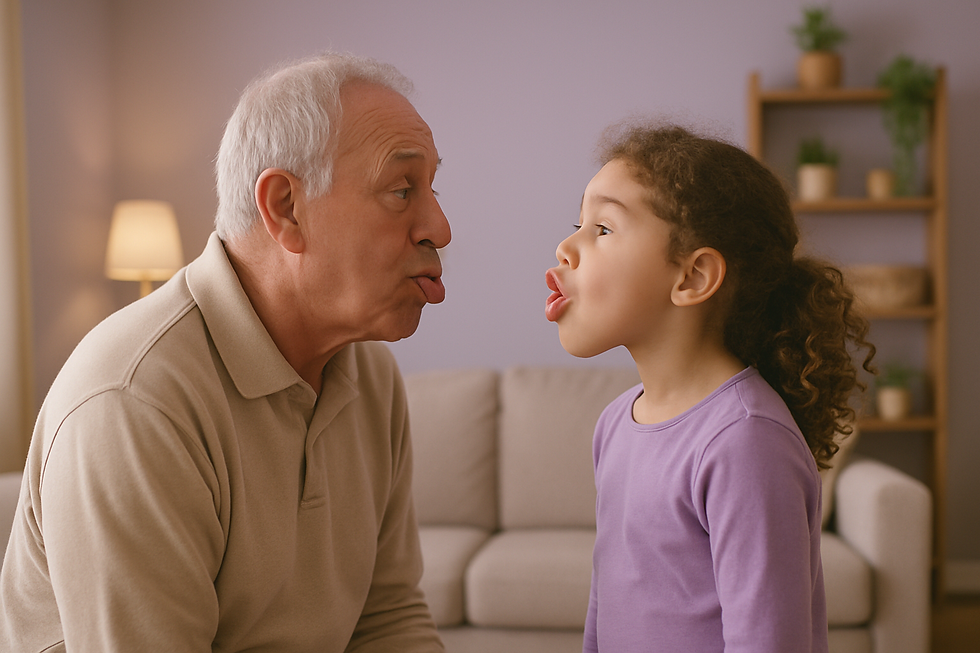
With children, language starts at the very beginning: understanding language before we can actually express language. So as little ones continue to grow their understanding, we're making eye-to-eye contact, as we're talking. There's turn-taking, and there's a back-and-forth to our language. And the same goes for their ability to understand when we follow directions.
Have concerns about your child's speech development?
Some things to look out for are how your child responds to the information you are giving. When you call your child’s name does he/she respond? Does he/she look at your face? Does your child follow the directions you are giving? Does the response you’re getting show that your child understands what you are saying? Another thing to watch out for is whether your child is babbling or playing with the voice. Does he/she try to get your attention?
Just because they can't express themselves doesn't mean that they aren't able to understand and learn from the communication that we're providing them.
Key strategies to help your children with language development: keep talking to them, offer opportunities to play and to speak, encourage their ability to effectively communicate with us, or use Better Speech online Practice Library to develop their skills while playing games.
If you have any concerns about any type of delay it is in your best interest to consult a speech therapist. At Better Speech, we offer online speech therapy services convenient for you and tailored to your child's individual needs. Our services are affordable and effective - get Better Speech now.


Frequently Asked Questions
At what age should I be concerned if my child is not talking yet?
Most children say their first words around 12 months and use simple two-word phrases by age 2. If your child is not meeting these milestones, it is worth talking to a speech-language pathologist sooner rather than later. Early intervention makes a significant difference, and a quick evaluation can give you clear answers and peace of mind.
What is the difference between a speech delay and a language delay?
A speech delay refers to difficulty with the sounds and clarity of spoken words, while a language delay involves trouble understanding or expressing ideas and vocabulary. Both can affect a child's ability to communicate effectively, but they require different approaches in therapy. A licensed speech-language pathologist can assess your child and identify exactly what kind of support is needed.
How do I know if my child's speech is just a phase or a real problem?
It can be hard to tell on your own, which is why a professional evaluation is so valuable. Signs that go beyond a typical phase include difficulty being understood by familiar adults, frustration when trying to communicate, or falling noticeably behind peers. Trusting your instincts as a parent and getting an expert opinion early is always the right move.
How does online speech therapy work for young children?
Online speech therapy uses video sessions where a licensed therapist works directly with your child using engaging, age-appropriate activities on screen. Better Speech offers convenient virtual sessions with licensed speech-language pathologists, accepts most insurance plans, and has no waitlists so your child can start getting support right away. Many families find online therapy fits easily into their daily routine.
What can I do at home to support my child's speech development?
Reading aloud together every day, narrating your daily activities, and giving your child plenty of time to respond during conversation are all highly effective strategies. Reducing screen time and increasing face-to-face interaction also helps build communication skills. A speech-language pathologist can give you personalized home practice tips that complement your child's therapy goals.
About the Author

Aycen Zambuto
I’m a seasoned educator in speech therapy with over six years of experience helping people navigate challenges in communication. Throughout this time, I’ve found joy in guiding individuals through a variety of therapeutic journeys, from toddlers with apraxia to seniors with dysphonia.
I’m passionate about demystifying this complex world of speech therapy and helping readers around the globe achieve clear and effective communication. When I’m not writing about speech, you’ll often find me reading, traveling or spending time with friends and family.


